
Moths and silverfish.
Quiet damage, quiet fix.
Pinholes in stored woollens, webbing in the flour canister, etched pages in old books. Moths and silverfish work in the dark — wardrobes, bookshelves, pantry corners — long before anyone notices. Family-safe treatment, written report, and storage advice that keeps it from happening again.
Three pests, three different habitats.
Each species targets a different part of the house — wardrobe, pantry or bookshelf. Treatment is calibrated to the species and the substrate, so we don't spray the kitchen cupboards to chase a moth that's living in the guest-room rug.
Clothes Moths
Webbing and case-bearing clothes moths attack wool, silk, fur and cashmere — leaving pinhole damage in stored garments, blankets and heirloom textiles.
Pantry Moths
Indian meal moth and similar species infest flour, cereals, spices and pet food — webbing in cupboards and small grey moths in the kitchen.
Silverfish
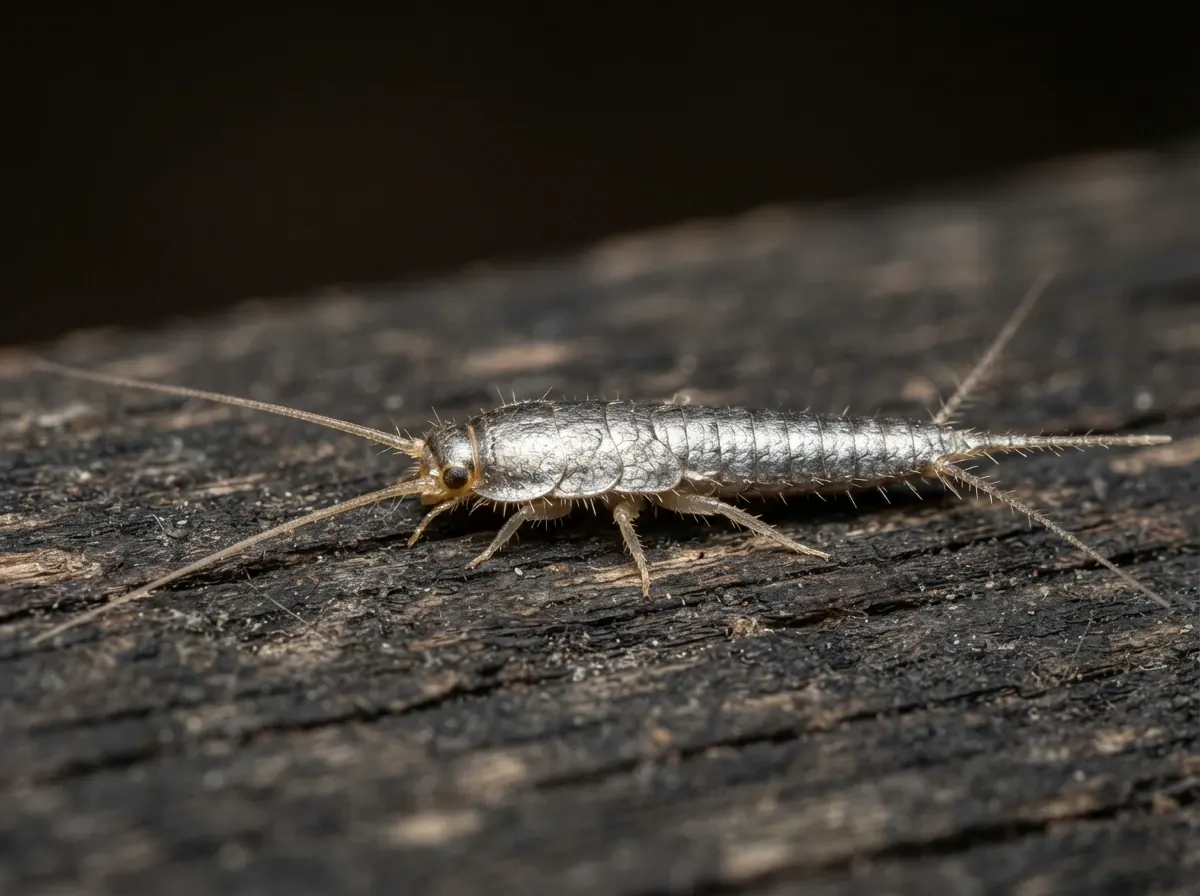
Quick, paper-coloured silverfish graze on books, wallpaper paste and starchy binders — usually only noticed once pages or labels show surface damage.
Same team.
Written report.
One quote, one visit, one written report. No call centre, no subcontractors — just the same local team that answers the phone.
Identify, treat, then keep it out.
No blanket fogging. We confirm the species, treat the harbourage zones where they're actually breeding, and leave you with a written report plus a storage routine that stops the cycle starting again next season.
Inspection & identification
We walk the property room by room, identify the species from the signs, and pinpoint source areas — wardrobes, bookshelves, pantries, linen cupboards and subfloor storage.
Targeted treatment + traps
Low-toxicity surface treatment in harbourage zones, plus pheromone or sticky traps to monitor and break the breeding cycle. No whole-house fogging.
Storage & prevention advice
Written guidance on cedar blocks, lavender sachets, sealed bins, vacuum-and-freeze protocols and monitoring strips to break the cycle going forward.
Six habits that stop the next infestation.
Once an infestation is under control, day-to-day habits decide whether it returns. Same recommendations we hand over on the back of every written report.
Sealed storage
Move woollens, silks and cashmeres into airtight garment bags or vacuum-seal bags each season.
Cedar & lavender
Cedar blocks and lavender sachets in wardrobes and linen cupboards deter re-entry — replace every twelve months.
Freeze or heat
Susceptible textiles can be frozen for 72 hours or tumble-dried on hot to kill any eggs before they're stored.
Airtight pantry
Flour, cereals, spices, dried fruit, pet food and bird seed go into sealed plastic or glass containers.
Monitor strips
Sticky pheromone or book-moth traps in wardrobes and cupboards catch adults before a small problem becomes a colony.
De-clutter & vacuum
Regular vacuuming of shelves, skirting boards and under furniture removes eggs and helps spot early activity.
Family-safe product. Food handled separately.
Treatment touches food storage, children's clothing and indoor air. Here's how we keep it safe.
Family-safe products
Low-toxicity, odour-controlled product applied by fully licensed, insured technicians. Pets and children can usually return once surfaces dry — re-entry time written on every quote. We never blanket-spray food storage; pantry treatment targets shelves, hinges and corners where larvae shelter.
Food-prep separation
For Indian meal moth and similar pantry infestations, we ask you to clear all open dry goods — flour, cereals, spices, dried fruit, pet food, bird seed — before we visit. Paper and thin-plastic packaging goes in the bin; anything sealable stays. We then treat the empty cupboard, leave a pheromone trap and write up the new storage routine.
Quiet infestations.
Thorough treatment.
Surface damage that started months ago. Larvae tucked into a wool blanket in the wardrobe. Moths and silverfish rarely show themselves — the evidence does. TCB identifies the species, treats the harbourage and writes the report.
More from the TCB pest set.
Moths and silverfish often turn up alongside a broader pest problem — or after a pre-purchase inspection. Here's the rest of what we treat.
Residential
Whole-of-home pest treatment for ants, spiders, cockroaches, rodents and the rest of the suburban set.
Commercial
Discreet, audit-ready pest programmes for offices, retail, hospitality, schools and strata across the ACT.
Pests We Treat
Twelve species covered by TCB — pick the one closest, or call us to help identify the culprit.
Caught a moth in the kitchen?
We'll handle the rest.
Send through a photo and a description of what you're seeing — damage, location, how long it's been going on. We'll confirm the species, recommend the right treatment, and get back within one business day with a written quote.